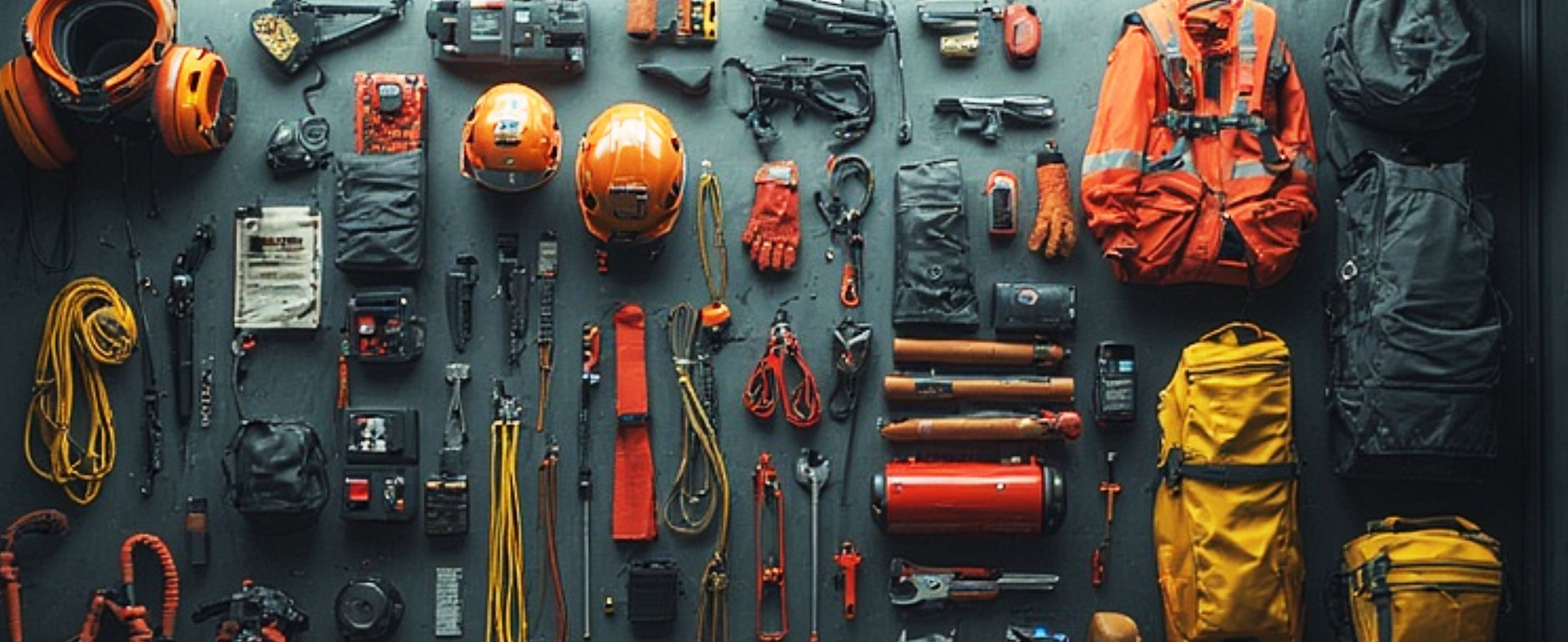
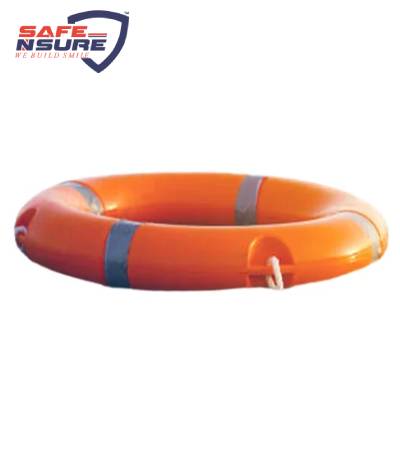
In an era defined by rapid urbanization, climate change, and increasingly complex industrial systems, the need for reliable emergency rescue equipment has never been greater. SafeNsure represents a contemporary approach to this imperative: a comprehensive set of tools, technologies, and processes designed to enhance the speed, safety, and effectiveness of rescue operations across a range of emergency scenarios. Whether responding to natural disasters, industrial accidents, or urban emergencies, well-designed rescue equipment is foundational to saving lives, protecting responders, and minimizing long-term harm to communities.
The core value of SafeNsure lies in its emphasis on reliability and adaptability. Effective rescue equipment must perform under adverse conditions—limited visibility, extreme temperatures, chemical exposure, structural instability, and power outages. To meet these demands, SafeNsure promotes equipment that integrates robust materials, redundant systems, and modular designs. For example, cutting and lifting tools that rely on hydraulic power should also offer manual or battery-operated alternatives to ensure operability if one power source fails. Similarly, personal protective equipment (PPE) must balance high-performance protective features with wearer comfort and mobility so that responders can sustain prolonged operations without excessive fatigue.
Why Choose Our Services
Interoperability and standardization are further pillars of SafeNsure. Emergency responses frequently involve multiple agencies—fire departments, emergency medical services, police, utility companies, and volunteer organizations—each bringing distinct equipment and protocols. When equipment conforms to shared standards for connectors, communication protocols, and mounting systems, disparate teams can coordinate more seamlessly. Standardized interfaces for lighting, power distribution, and data-sharing simplify rapid deployment, reduce setup errors, and enhance situational awareness. Investment in interoperable tools thus multiplies the effectiveness of individual devices by enabling cohesive action among diverse teams.
enhanced efficiency
Technological innovation plays a prominent role in modern rescue equipment. Advances in sensors, robotics, and communications have produced tools that extend the reach and precision of responders while reducing risk. Drones equipped with thermal imaging can quickly locate victims in vast or hazardous areas, while ground robots can navigate unstable structures to relay real-time video and environmental data. Wearable sensors monitor responders’ vital signs and exposure to toxic agents, triggering alerts when intervention is needed. Robust, encrypted communication networks ensure that command centers receive continuous data streams even when conventional infrastructure is compromised. SafeNsure encourages integrating such innovations thoughtfully, ensuring they complement human judgment and are field-tested for resilience.
improved precision and quality
Training and human factors are equally important components of SafeNsure. Advanced equipment yields significant benefits only when users are proficient and confident in its operation. Regular, realistic training exercises that simulate stress, time pressure, and complex coordination are essential. Equipment should be designed with clear ergonomics and intuitive controls to minimize operator error in high-stakes moments. Additionally, equipment maintenance protocols, rapid diagnostics, and standardized checklists reduce the likelihood of failures during deployment. Organizations that pair equipment acquisition with sustained training and maintenance investments achieve far greater operational readiness.
increased flexibility
Logistics and lifecycle considerations round out the SafeNsure framework. Rescue equipment must be affordable to procure, easy to store and transport, and durable enough to justify long-term investment. Modular systems that can be upgraded or reconfigured according to evolving threats extend the useful life of equipment and provide budget flexibility. Procurement strategies that prioritize total cost of ownership—considering training, spare parts, maintenance, and disposal—yield more responsible and effective programs. Furthermore, partnerships with manufacturers that offer sustained technical support and timely updates help maintain readiness as technologies and threats evolve.
safety and risk reduction
Community engagement and resilience planning also intersect with SafeNsure. Local populations often act as first responders in the minutes following a disaster. Equipping communities with basic, user-friendly tools—such as automated external defibrillators (AEDs), clearly labeled escape kits, and public-access rescue stations—can significantly reduce casualties. Public education campaigns on how to use such equipment, combined with accessible reporting systems, strengthen the social infrastructure that complements formal rescue services.
Planning & strategy
In conclusion, SafeNsure embodies a holistic approach to emergency rescue equipment that integrates durable design, interoperability, technological innovation, human-centered training, and pragmatic logistics. By prioritizing equipment that performs reliably under stress, supports coordinated multi-agency responses, and is matched with sustained training and maintenance, communities can substantially improve their ability to save lives and recover from crises. As risks grow more varied and complex, investments in well-conceived rescue equipment and the systems that support it will remain a critical component of public safety and resilience.
- needs assessment
- Timeline and Milestones
- Feasibility and ROI
- Technology Selection
- Process Optimization
- Scalability Planning
Frequently asked questions
We implement rigorous quality control measures at every stage of production, ensuring consistency and high standards.