Falls remain one of the leading causes of serious workplace injuries and fatalities across industries that involve heights, confined spaces, or uneven surfaces. SafeNsure: Fall Protection, as both a concept and a programmatic approach, emphasizes systematic prevention, worker empowerment, and continuous improvement to reduce fall-related incidents. Combining engineering controls, administrative policies, training, and a culture of safety, SafeNsure provides a comprehensive framework that employers and safety professionals can adopt to protect workers and meet regulatory obligations.
At its core, effective fall protection relies on the hierarchy of controls: elimination, substitution, engineering controls, administrative controls, and personal protective equipment (PPE). SafeNsure places priority on eliminating fall hazards where possible—redesigning tasks or workflows to remove the need to work at height. When elimination is not feasible, engineering controls such as guardrails, scaffolding, work platforms, and permanent anchor points provide reliable, passive protection. These measures reduce dependence on human behavior and provide consistent protection even when workers are fatigued or distracted.
Why Choose Our Services
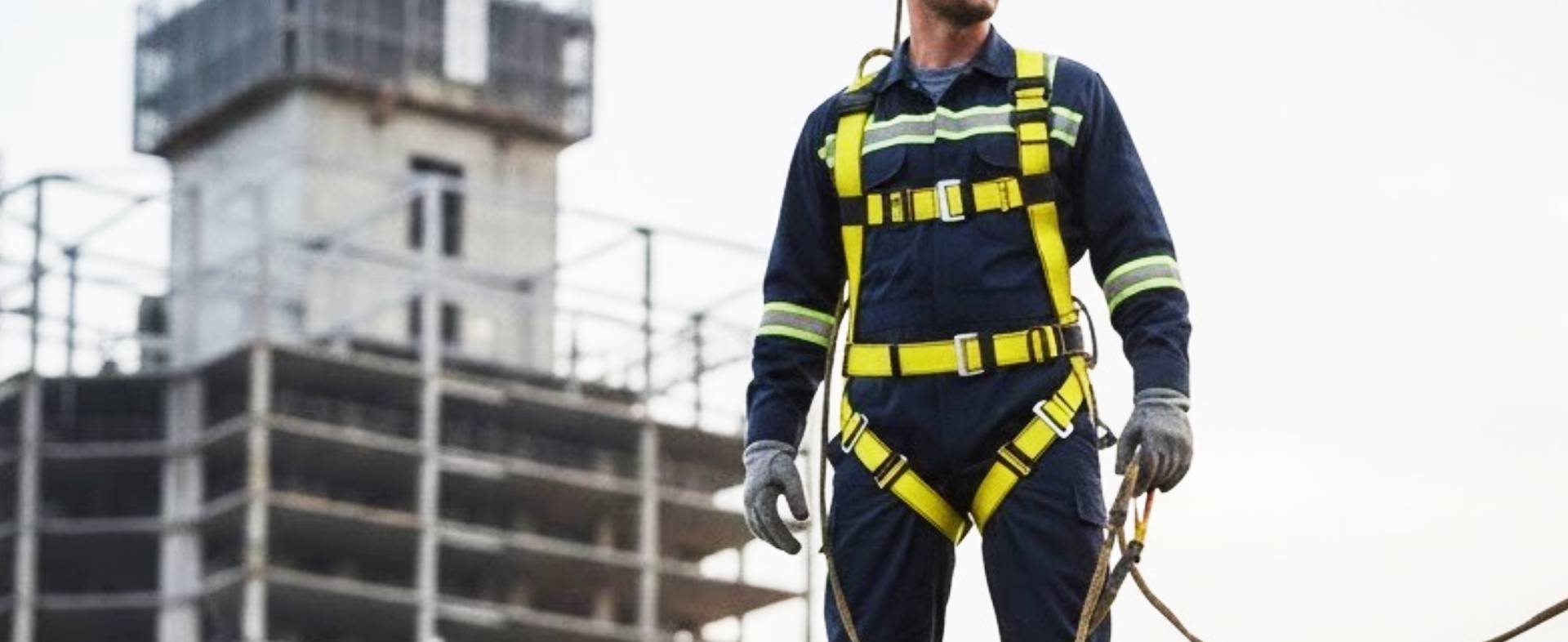
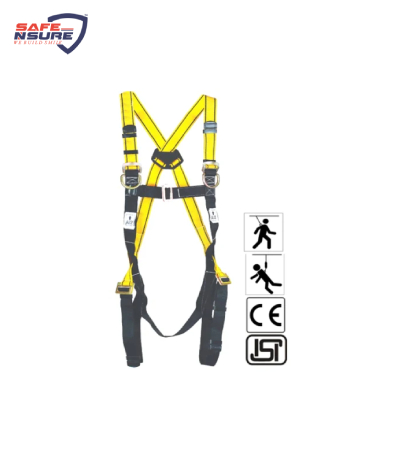
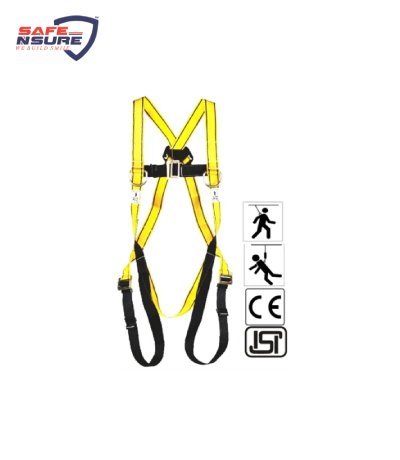
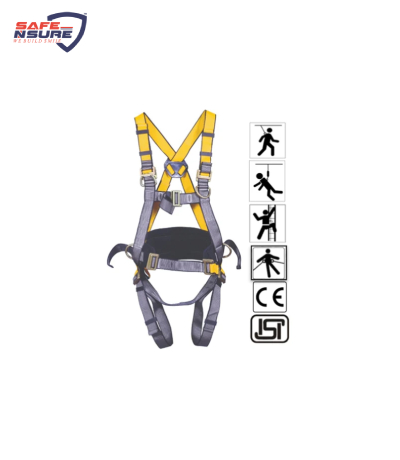
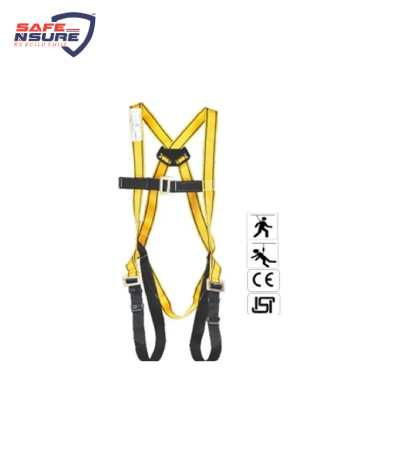
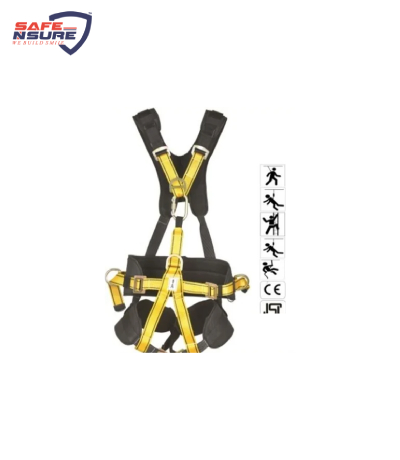
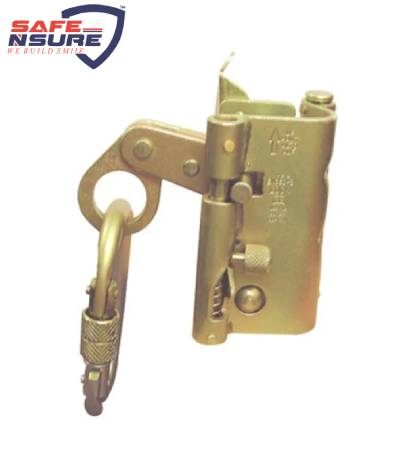
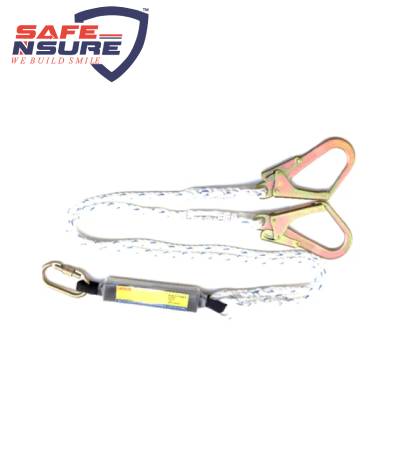
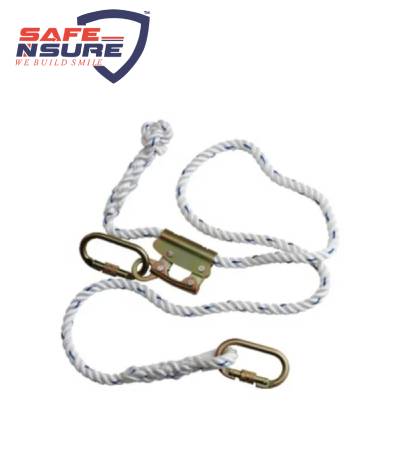
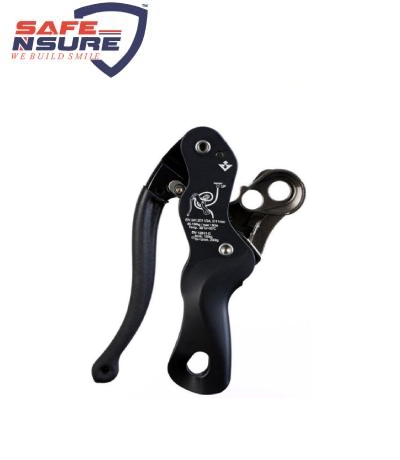
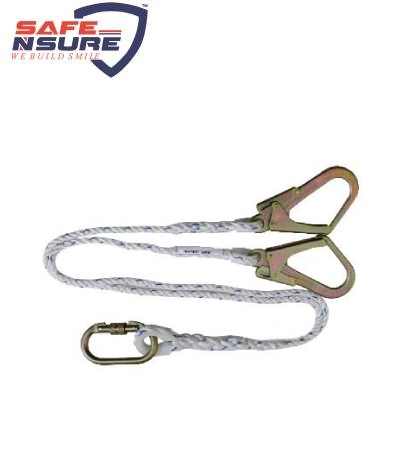
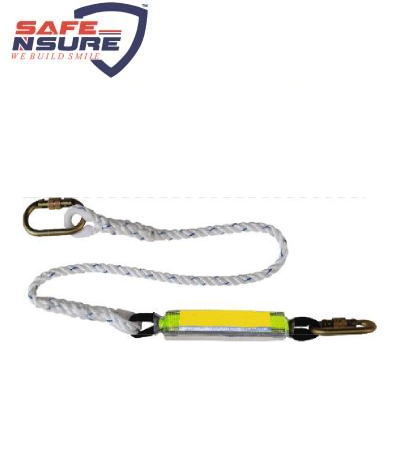
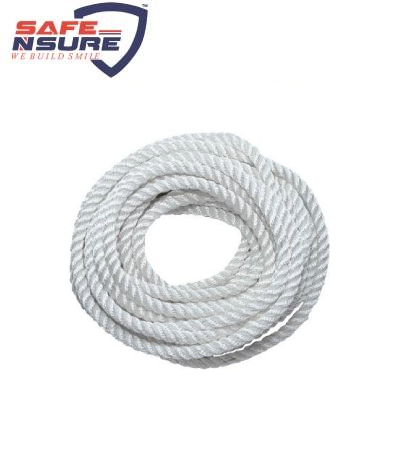
Administrative controls and safe work procedures supplement engineering. Clear policies that define when fall protection is required, standardized permit systems for high-risk activities, effective supervision, and scheduled inspections help maintain safe conditions over time. Personal fall arrest systems (PFAS), including harnesses, lanyards, lifelines, and self-retracting devices, are essential when other controls cannot fully prevent exposure. However, SafeNsure insists that PPE be the last line of defense—effective only when selected, fitted, maintained, and used correctly.
enhanced efficiency
A critical component of SafeNsure is workforce competence. Training must be relevant, practical, and ongoing. Workers should understand hazard recognition, proper use and inspection of fall protection equipment, rescue procedures, and the organization’s policies. Competency goes beyond a one-time classroom briefing; it requires hands-on practice, demonstrations, and refresher training tied to observed performance. Supervisors and safety personnel need advanced instruction in hazard assessment, fall protection system design, and regulatory compliance so they can make informed decisions and mentor their teams.
improved precision and quality
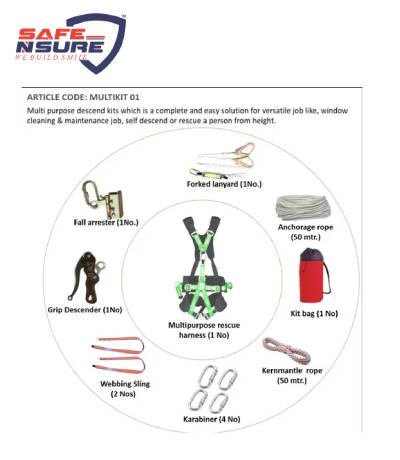
Rescue planning is a frequently overlooked training area. If a fall occurs and the worker is suspended in a harness, rapid, well-practiced rescue is essential to prevent suspension trauma and further injury. SafeNsure frameworks require documented rescue procedures tailored to each worksite and scenario, with trained rescuers and appropriate equipment available before work begins.
increased flexibility
Effective fall protection begins with a thorough risk assessment. SafeNsure advocates for systematic job hazard analyses (JHAs) or task-based risk assessments for activities that involve ascent, descent, open edges, fragile surfaces, or changing environmental conditions. Assessments should identify not only the likelihood of a fall but also potential consequences, considering factors such as height, obstructions below, and access to rescue.
safety and risk reduction
Plan development should be proactive and involve stakeholders, including workers, equipment manufacturers, and safety professionals. Selection of fall protection systems must account for site constraints, compatibility of equipment, ease of use, and inspection/maintenance requirements. For temporary worksites, modular and adaptable solutions like portable guardrail systems or engineered anchor points can offer balance between safety and operational flexibility.
Planning & strategy
Sustaining fall protection effectiveness demands routine inspection and maintenance. Guardrails, anchors, and platforms should be inspected for structural integrity and wear. Personal fall arrest systems require pre-use inspection by workers and periodic formal inspections by competent persons, with documented records. SafeNsure stresses the importance of equipment lifecycle management: removal from service, tagging, and replacement of damaged or aged components, and adherence to manufacturer and regulatory guidance.
Monitoring extends to measuring program performance through leading and lagging indicators. Leading indicators—such as completion rates for training, frequency of equipment inspections, and number of hazard assessments conducted—help predict and prevent problems. Lagging indicators—like recorded fall incidents, near-misses, and injury statistics—inform corrective actions and continuous improvement initiatives.
No fall protection strategy succeeds without a supportive safety culture. Leadership commitment must be visible, consistent, and genuine. Managers and supervisors set expectations by prioritizing safety in planning, allocating resources for effective controls and training, and recognizing safe behaviors. Worker participation is equally vital; employees who feel empowered to report hazards, participate in safety committees, and provide feedback contribute directly to safer workplaces.
SafeNsure promotes open communication about near-misses and hazards without fear of punitive action. Such transparency allows organizations to address precursors to incidents and fosters an environment of shared responsibility. Celebrating success—such as milestones in training completion or reductions in near-miss rates—reinforces the value of preventive actions.
Adherence to applicable regulations and standards is a fundamental aspect of SafeNsure programs. Understanding local occupational safety and health regulations—such as fall protection thresholds, equipment requirements, and recordkeeping obligations—is essential. Beyond compliance, integrating industry best practices and guidance from professional bodies and manufacturers elevates program quality. Regular audits, third-party reviews, and benchmarking against peers help ensure that the fall protection approach remains current and effective.
SafeNsure: Fall Protection is an integrated, proactive approach to preventing fall-related injuries and fatalities. By emphasizing hazard elimination and engineering controls, reinforcing administrative systems, delivering practical training, and fostering a culture of safety, organizations can substantially reduce risks associated with working at height. Continuous assessment, maintenance, and leadership engagement close the loop, turning policies into practice and reducing the human and economic toll of falls. In high-risk environments, SafeNsure is not just a program—it is an operational imperative that protects workers and strengthens organizational resilience.
- needs assessment
- Timeline and Milestones
- Feasibility and ROI
- Technology Selection
- Process Optimization
- Scalability Planning
Frequently asked questions
We implement rigorous quality control measures at every stage of production, ensuring consistency and high standards.