Respiratory Protection

services category

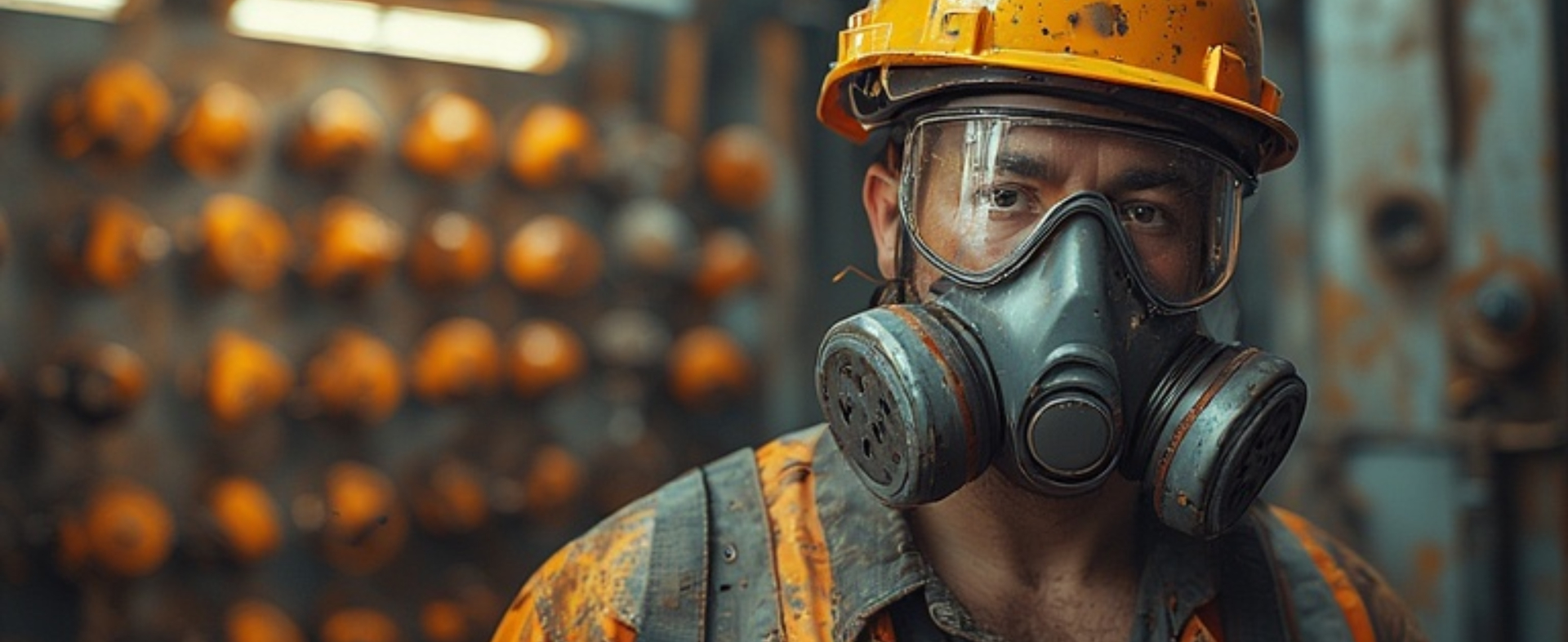
Introduction Respiratory protection is a foundational element of occupational health and safety, safeguarding workers from airborne hazards that range from particulate matter and chemical vapors to biological agents. SafeNsure—an approach and brand ethos centered on ensuring respiratory safety—embraces the full spectrum of prevention: hazard assessment, selection and proper use of controls and personal protective equipment (PPE), training, and ongoing program management. This essay outlines the principles and practices that define an effective respiratory protection program, emphasizing the practical steps employers and safety professionals must take to reduce risk and maintain compliance.

The need for intentional hearing protection is compelling. According to public health research, prolonged exposure to noise levels above 85 decibels substantially increases the risk of permanent sensorineural hearing loss. Industries such as manufacturing, construction, transportation, and entertainment frequently expose workers to these levels. Moreover, leisure activities—concerts, personal audio devices at high volume, and recreational shooting—contribute to cumulative noise exposure across a lifetime. Hearing loss not only reduces quality of life by diminishing communication and social engagement; it is also associated with increased cognitive load, higher risk of workplace accidents due to impaired situational awareness, and long-term healthcare costs. Preventing hearing loss, therefore, is both a humane and an economically prudent objective.

Why Choose Our Services

Understanding the Hazard Effective respiratory protection begins with a clear understanding of the hazard. Airborne threats vary by physical and chemical characteristics (e.g., dusts, fibers, mists, fumes, gases, and vapors) and by biological properties (e.g., bacteria, viruses, and fungal spores). Critical factors in hazard assessment include the concentration of contaminants, particle size distribution, chemical properties such as volatility and toxicity, the duration and frequency of exposure, and environmental conditions (temperature, humidity, ventilation). A thorough workplace exposure assessment—combining industrial hygiene monitoring, process review, and employee interviews—identifies where and when respiratory controls are necessary. Hierarchy of Controls SafeNsure promotes a hierarchy of controls, applying the most effective measures first and relying on PPE as a last line of defense. This hierarchy includes elimination, substitution, engineering controls, administrative controls, and finally PPE.

enhanced efficiency

Elimination and substitution remove or replace hazardous materials or processes. Where feasible, this yields the most reliable protection. Engineering controls reduce exposure through physical changes: local exhaust ventilation, process enclosure, and high-efficiency filtration systems can significantly lower airborne concentrations.

improved precision and quality

Administrative controls alter work practices and schedules to reduce the intensity or duration of exposure, such as rotating personnel, limiting access, and establishing safe work procedures. PPE—respirators and associated accessories—protect individuals when other measures cannot adequately reduce risk. Selection must be informed by the hazard assessment and by applicable standards.

increased flexibility

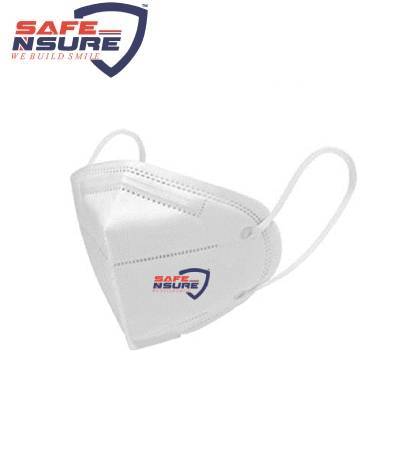
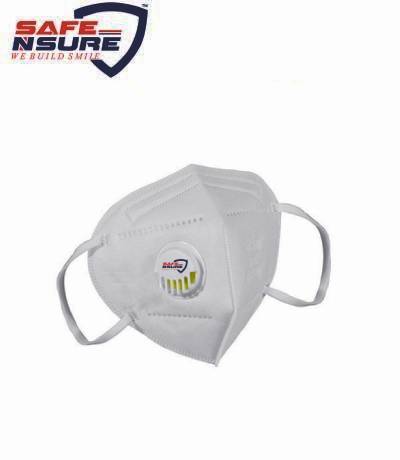
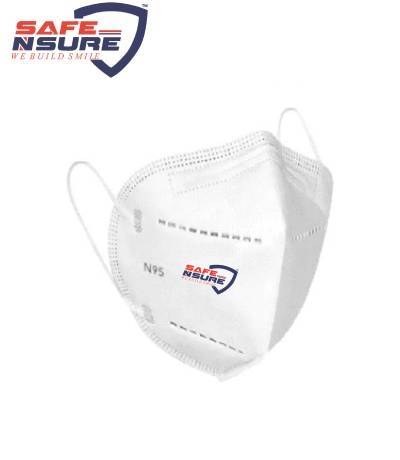
Air-purifying respirators (APRs), which remove contaminants from ambient air through filters, cartridges, or canisters. APRs are effective for particulates (N95s, P100s) and certain gases/vapors when the correct cartridge is used. Powered air-purifying respirators (PAPRs), which use a blower to pull air through filters and provide a higher assigned protection factor (APF) and greater comfort during extended wear. Supplied-air respirators (SARs) and self-contained breathing apparatus (SCBA), which provide breathable air from a clean source and are necessary for oxygen-deficient atmospheres, immediately dangerous to life or health (IDLH) conditions, or unknown contaminants.

safety and risk reduction

Selection must also consider fit (tight-fitting vs. loose-fitting), communication needs, duration of use, and compatibility with other PPE (e.g., eye and face protection, hearing protection, hard hats). Regulatory standards—such as those from OSHA, NIOSH, and equivalent national bodies—provide criteria for respirator performance and selection and must be consulted. Program Implementation and Management A successful SafeNsure respiratory protection program includes clear policies, designated program administration, and documented procedures.

Planning & strategy

Written program: A document that defines roles, responsibilities, procedures for selection, fit testing, training, maintenance, and recordkeeping.

Medical evaluation: Before using a tight-fitting respirator, employees must be medically evaluated to ensure they can safely wear the device. This prevents complications for workers with cardiovascular, pulmonary, or other health issues.

Fit testing: Quantitative or qualitative fit testing is required to ensure a tight seal for tight-fitting respirators. Fit must be reassessed whenever facial structure changes or when a different make/model is used.

Training: Employees must understand why respirators are required, how to don and doff them, limitations, maintenance, and how to recognize signs of respirator failure or distress.

Inspection, cleaning, and maintenance: Regular inspection and care extend respirator life and ensure functionality. Replaceable elements (filters, cartridges) require scheduled replacement based on service life, breakthrough characteristics, and exposure levels.

Recordkeeping and program evaluation: Maintain records of training, fit tests, medical evaluations, and equipment maintenance. Periodic program audits and incident reviews identify weaknesses and drive continuous improvement.

Human Factors and Organizational Culture Technical measures alone do not ensure protection—human behavior and organizational culture profoundly influence program success. Management commitment, visible leadership, and consistent enforcement of policies foster compliance. Addressing comfort and usability—by offering appropriate sizes, minimizing breathing resistance, and using PAPRs where feasible—reduces noncompliance. Engaging workers in respirator selection and program development enhances acceptance and practical feedback.

Emerging Challenges and Opportunities Contemporary workplaces face evolving respiratory risks, including novel industrial chemicals, fine and ultrafine particulates, and pandemic-related biological threats. Advances in filter media, sensor integration, and wearable technologies present opportunities to improve protection and monitoring. For example, smart respirators with integrated communication systems and environmental sensors can enhance situational awareness and compliance tracking. Nonetheless, new solutions must be validated for effectiveness and ergonomics and integrated into training and maintenance regimes.

Conclusion SafeNsure is both a guiding principle and a practical framework for protecting respiratory health in the workplace. It requires rigorous hazard assessment, adherence to the hierarchy of controls, thoughtful selection and management of respirators, and attention to human factors and organizational culture. By implementing a comprehensive, evidence-based respiratory protection program, organizations can reduce occupational illness and injury, meet regulatory obligations, and demonstrate a genuine commitment to worker health and safety. Continuous evaluation and adaptation to emerging risks and technologies will keep the SafeNsure approach responsive and effective.

  • needs assessment
  • Timeline and Milestones
  • Feasibility and ROI
  • Technology Selection
  • Process Optimization
  • Scalability Planning

Frequently asked questions

We implement rigorous quality control measures at every stage of production, ensuring consistency and high standards.

We implement rigorous quality control measures at every stage of production, ensuring consistency and high standards.

We implement rigorous quality control measures at every stage of production, ensuring consistency and high standards.

We implement rigorous quality control measures at every stage of production, ensuring consistency and high standards.

We implement rigorous quality control measures at every stage of production, ensuring consistency and high standards.