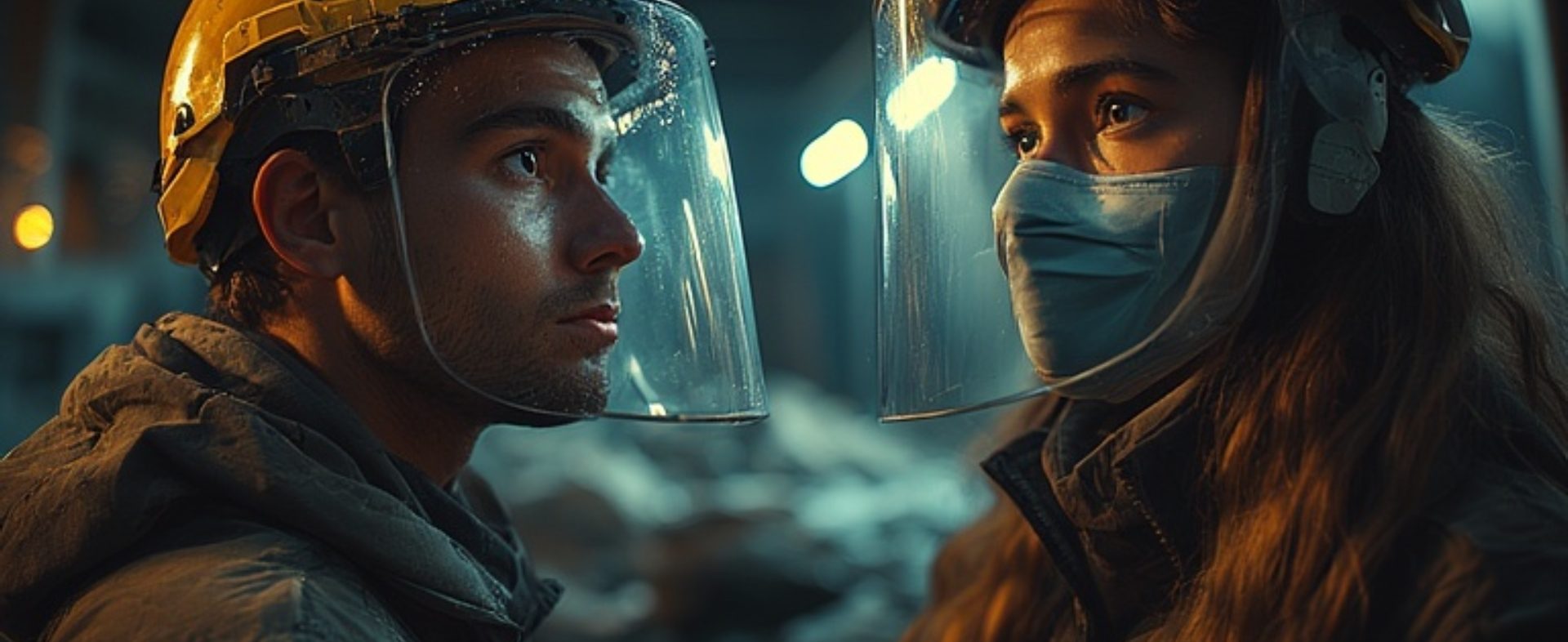
In industrial, medical, scientific, and many consumer contexts, protection of the eyes and face is not merely a regulatory checkbox; it is a critical safeguard against injury, long-term impairment, and associated economic and human costs. The brand SafeNsure, conceived as a paradigm of contemporary eye and face protection, encapsulates the intersection of ergonomics, materials science, regulatory compliance, and user-centered design. This essay examines the importance of eye and face protection, traces key developments in protective technologies and standards, analyzes the design and deployment principles embodied by SafeNsure, and considers future directions for innovation and broader adoption. The goal is to provide a comprehensive, professional perspective on why high-quality protective equipment matters, how it should be evaluated and implemented, and how brands such as SafeNsure can lead the field.
The eyes are among the most delicate and functionally indispensable organs. Facial structures — including the nose, cheeks, and jaw — are likewise essential for identity, respiration, and sensory integration. Injuries to these areas can have immediate and lifelong consequences: corneal abrasions, penetrating ocular trauma, chemical burns, blunt-force fractures, and lacerations can result in vision loss, disfigurement, prolonged disability, and substantial medical and social costs. In occupational settings, the International Labour Organization and national agencies report that a significant proportion of workplace injuries involve the eyes and face, arising from flying particles, chemical splashes, intense light (including ultraviolet and infrared radiation), and thermal exposure. Beyond industry, eye and face protection plays a key role in healthcare (protecting clinicians from biological hazards), in sports (reducing concussion and facial trauma risk), and in consumer contexts such as woodworking and home maintenance. Given the severity and frequency of such hazards, protective devices that prevent or mitigate injury are indispensable. The right protective equipment reduces lost productivity, lowers compensation and healthcare expenditures, and — most importantly — preserves human well-being and autonomy.
Why Choose Our Services
Protective eyewear has evolved from rudimentary shields and spectacles to highly specialized devices informed by advances in optics, polymers, and human factors engineering. Early protective devices focused primarily on mechanical shielding: wire masks, leather visors, and simple wired goggles provided a barrier against debris. The 20th century saw the introduction of shatterproof glass and, crucially, plastics such as polycarbonate, which combine optical clarity with exceptional impact resistance.
enhanced efficiency
Concurrent with material advances, standards organizations — including ANSI (American National Standards Institute), EN standards in Europe, and ISO — established performance criteria for impact resistance, optical quality, UV protection, and chemical splash resistance. These standards ensure that products achieve predictable levels of protection and provide metrics by which users, employers, and regulators can compare devices. Modern protective equipment integrates multiple functional layers: an anti-scratch and anti-fog coating for visibility and durability; ultraviolet and high-energy visible (HEV) filtering for solar and welding exposures; and design features like wraparound lenses and facial seals to limit particle ingress. For face protection, materials must balance rigidity to resist penetration and deformability to absorb energy; they must also accommodate communication, ventilation, and compatibility with other personal protective equipment (PPE) such as respirators and hearing protection.
improved precision and quality
Ergonomics and fit: A protective device must fit a range of facial geometries securely without causing pressure points. Adjustable features — such as straps, nose pads, and temples — accommodate variability in head size and shape. Proper fit reduces slippage and increases the likelihood that users will wear the device consistently. Comfort and wearability: Weight distribution, airflow, and thermal management are critical. Lightweight frames and well-ventilated face shields reduce fatigue during prolonged wear, increasing compliance. Materials that are hypoallergenic and that wick moisture improve long-term comfort. Optical clarity and low distortion: Protective lenses must meet stringent optical standards to prevent visual fatigue and errors that can create secondary hazards. Distortion, chromatic aberration, and poor anti-reflective properties compromise safety and task performance.
increased flexibility
Compatibility and integration: Many workplaces require combined PPE use. Protective eyewear and face shields must be compatible with helmets, respirators, and communication devices. Clip-on designs, modular assemblies, and standardized attachment points facilitate integration without compromising protection. Ease of maintenance and durability: Protective equipment that is easy to clean, disinfect, and maintain encourages proper hygiene and reuse. Coatings that resist scratching and chemical degradation extend service life and reduce total cost of ownership. Behavioral and cultural adoption: Effective protective programs pair high-quality equipment with training, enforcement, and cultural norms that value safety. User feedback loops and iterative design strengthen adoption over time.
safety and risk reduction
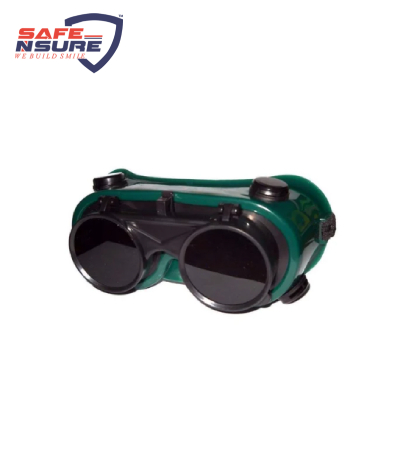
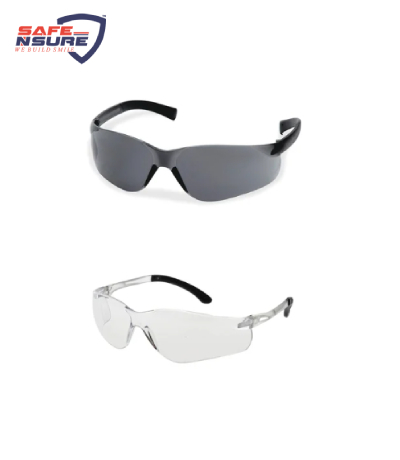
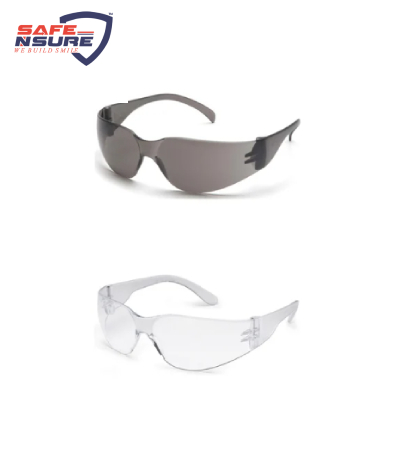
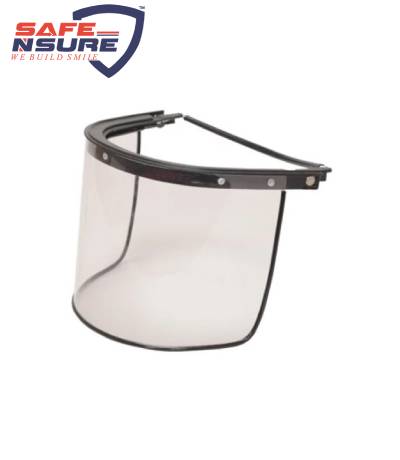
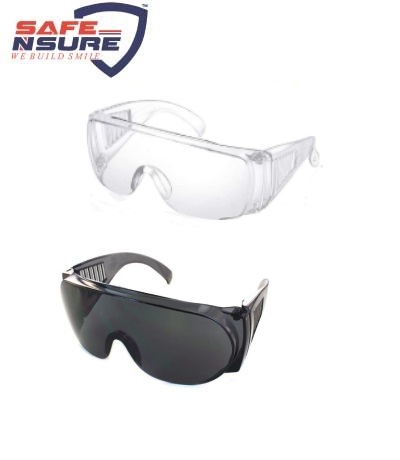
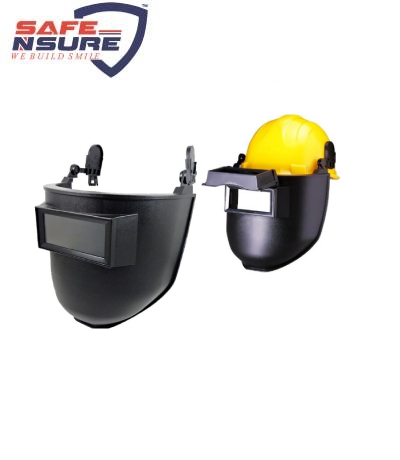
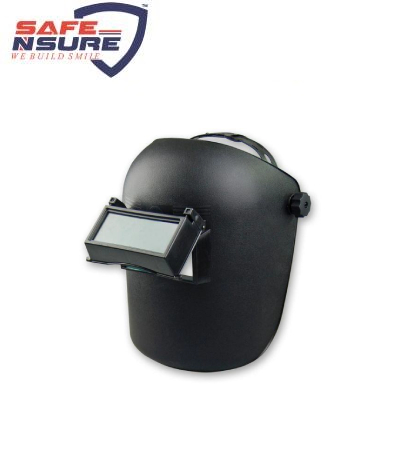
Evidence-based product development: R&D investments focus on testing under real-world conditions: impact testing, splash and aerosol penetration studies, and prolonged wear trials. Outcomes inform iterative improvements. Standards compliance and certification: SafeNsure products are designed to exceed, not just meet, regulatory thresholds (e.g., ANSI Z87.1, EN 166). Certification facilitates procurement by organizations that must demonstrate compliance for liability and audit purposes. Modular product line: Recognizing diverse needs, SafeNsure offers a suite of products — protective spectacles, goggles, full-face shields, welding helmets, and specialty items for medical and laboratory use. Each product emphasizes a balance of protection levels and wearability.
Planning & strategy
Training and education services: Understanding that equipment alone is insufficient, SafeNsure provides training materials, fit-testing protocols, and instructional services to employers and end users. Training reduces misuse and enhances protective efficacy. Supply chain integrity and sustainability: The brand emphasizes responsible sourcing of materials, ethical manufacturing practices, and lifecycle stewardship (e.g., recyclable components and refurbishing programs). Sustainable practices reduce environmental footprint and increasingly influence procurement decisions. Data-driven occupational health partnerships: SafeNsure partners with occupational health professionals to gather anonymized, aggregate data on incident rates and product performance, enabling continuous improvement and evidence-based recommendations for PPE selection.
- needs assessment
- Timeline and Milestones
- Feasibility and ROI
- Technology Selection
- Process Optimization
- Scalability Planning
Frequently asked questions
We implement rigorous quality control measures at every stage of production, ensuring consistency and high standards.